South Asia's ladders, ludo and 90-number tickets
The paper games loved across South Asia, from snakes and ladders with its Indian roots to ludo, tambola and housie, and how to print them.


On this page
Snakes and ladders with a moral
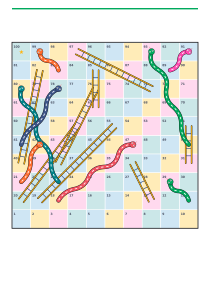
Snakes and ladders descends from Indian board games known as Moksha Patam or Gyan Chaupar, in which ladders and snakes stood for virtues and vices. The game reached England in the late nineteenth century, and it has since been played in many forms across the world.
Each player rolls in turn, moves that many squares and follows any ladder or snake they land on. You can print a snakes and ladders board for a family afternoon.
Ludo and the cowrie shell
Pachisi is a cross-shaped race game from India, traditionally played with cowrie shells. Ludo is a simplified version of that tradition, and it was patented in England in 1896. Related games include Parchís in Spain and Mensch ärgere Dich nicht in Germany.
A ludo board is ready to print for a party or a long afternoon.
Tambola and housie at the party
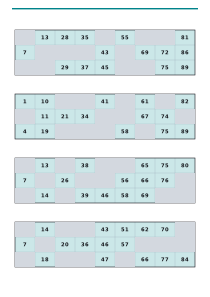
The 90-number game is called tambola or housie in India, where it is common at parties and festivals. Each player holds tickets numbered 1 to 90, and a caller reads out numbers one at a time. Players mark the numbers they hear, and the first to complete a pattern calls out. You can use the tombala maker to print 90-ball tickets, and each ticket stands on its own.
Printing and playing with Paperoom
Paperoom is free, works in your browser and needs no account. The interface is available in Simplified Chinese, Arabic, Spanish, Brazilian Portuguese, French and English. Choose A4 or US Letter, print at 100% scale with headers and footers off, and print one test sheet, especially for a ticket set. You can also download a PDF to print at a shop.