How to host a bingo night
Pick word or number bingo, print enough distinct cards, agree the winning patterns first, call at a steady pace and check winners fairly.

On this page
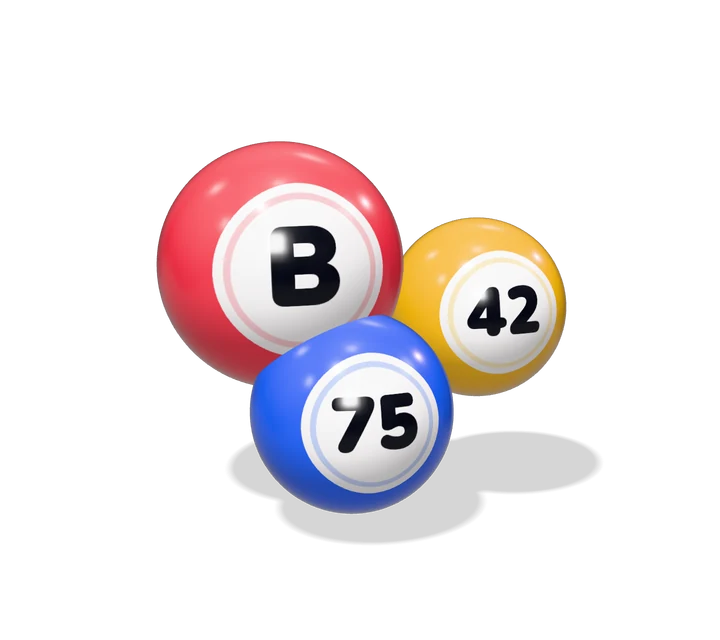
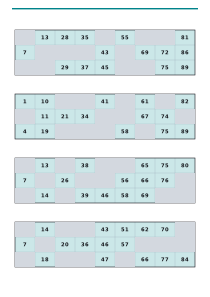
Bingo is one of the easiest games to run for a crowd. It needs cards, markers and someone to call the numbers, and very little else. Lotto-style games are often traced to an Italian lottery of the 1500s. The 75-ball card with B-I-N-G-O columns (B 1-15, I 16-30, N 31-45, G 46-60, O 61-75) is the North American format, popularised in the US from around 1930. In Britain, 90-ball bingo has long been called housie or housey-housey, and in India the 90-number game is known as tambola or housie.
Paperoom's bingo maker prints custom word bingo and 75-ball number bingo. Its tombola maker prints 90-ball tickets for the traditional Italian family game.
Choose word bingo or number bingo
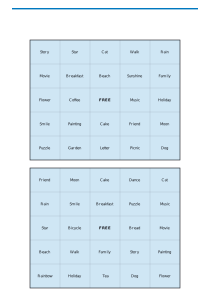
Word bingo uses squares filled with words. It suits younger players and people who enjoy reading the calls aloud. Number bingo is quicker to call, so it fits a fast-moving evening. Pick one format before you print, because the cards and the caller differ between the two.
Print more cards than players
Print more distinct cards than you have players, so that every person holds a different card. Keep a few spares for late arrivals, or for a card that gets torn or marked by mistake. Write a number on the back of each card and note who holds which, so a card can be returned to the right person after a round.
Tip: Keep the spare cards face down in a separate pile, so nobody mixes them up during the game.
Agree the winning patterns first
Decide the winning patterns before the first number is called. Common choices include:
- One complete row.
- Two complete rows.
- The four corners.
- A full house, where every number on the card has been called.
Write the agreed patterns and prizes on a board or on the caller sheet, so nobody changes the rules halfway through. If someone asks for a new pattern during the game, say no for this round and agree it for the next.
Call at a steady pace
- Draw the next number, from a set of balls or from the caller.
- Read it aloud. For 75-ball, say the column letter first, for example "B, seven". For 90-ball, say the number alone.
- Repeat the number once if the room is noisy.
- Pause long enough for everyone to mark their cards, then draw the next number.
- Keep the same pause all evening. Players who mark slowly feel rushed if the pace changes.
Paperoom offers two ways to call. A printed caller sheet lets you read from paper, with no screen needed. The on-screen number caller is useful if you would rather not keep track of called numbers by hand.
Check the winner
When someone calls bingo, stop and check the card before any prize is given. Ask the player to read out their numbers while you tick each one against the called list. Check the pattern as well as the numbers: the marked squares must form the agreed shape.
If the claim is wrong, say so kindly and carry on. Keep the called numbers visible on the board or the caller sheet, so anyone can check a claim without asking the caller to remember.
Keep prizes simple and non-cash
Small prizes keep the evening friendly. Ideas include a snack, first pick at the snack table, a plant, a book, a handmade card, or the chance to call the next game. Keep the prizes similar in value so that nobody feels left out.
Rules about games with prizes differ from place to place, so check them if you plan anything with real value.
Make it comfortable for everyone
Paperoom's large print option can be used for bingo cards. It helps guests who find small numbers hard to read, so keep a few large-print cards ready for them. See the large print games guide for more.
Other things help too. Seat players where they can see the caller, and leave room between tables for wheelchairs and walkers. Use good light and a marker with a big, clear tip. Say each number slowly enough for the back of the room to hear it, and repeat it when the room is noisy.