Bingo
Word bingo on 3 × 3, 4 × 4 or 5 × 5 cards, or classic 75-ball number cards, with a caller sheet for each set.
2–60 players15–45 minAges 4+North AmericaEurope
Download a PDF directly, or print at 100% in portrait with browser headers and footers off. Match your paper size. PDF fonts load from this site on your first download. Your game content stays on your device.
Your PDF is ready. Something to read later?
Word bingo uses your list. 75-ball bingo uses B 1–15, I 16–30, N 31–45, G 46–60, O 61–75. For 1–90 tickets use the separate 90-ball maker.
Call from your screen
Draws without repeats from this set’s list. Keep this page open to retain the draw history.
Bingo works best when every player has a different card and the whole table waits for a line to fill. Paperoom makes word bingo from your own list on a 3 × 3, 4 × 4 or 5 × 5 grid, or 75-ball cards with the B, I, N, G and O columns. Every card in a batch has its own arrangement, and a caller sheet or the on-screen caller draws each item once.
How to play
- Agree on the winning pattern before the first call: a line, a column, a diagonal or the full card.
- Give each player one card. Every card in the set has a different arrangement, and a free centre, when used, is already marked.
- Cut the caller sheet into slips and shuffle them, or use the on-screen caller to draw.
- Call each word or number clearly and at a steady pace. Nothing is repeated within a set.
- When a player believes they have the winning pattern, they call bingo and the card is checked against the items already drawn.
- When the game ends, start a new set. A new set resets the caller, so the next game begins with a full pool.
Tips
- Print one page as a test. Check that the smallest words are easy to read at the distance they will be used, then print the full batch.
- For a large room or a mixed table, choose a 3 × 3 grid with short words, or select large print with one card per page.
- Use black ink only. It keeps the sheets simple and easy to photocopy.
- Keep the caller sheet away from the players so they cannot see upcoming items. Use counters that are easy to pick up and clear on the card.
- Start from one of the ready-made lists, such as everyday joys or in the classroom, then edit it to suit your group. Save the setup as a file to use it again.
Where it comes from
Lotto-style number games are often traced to a 16th-century Italian lottery, although the links between that lottery and later games are not fully documented. The 75-ball B-I-N-G-O card, with five letter columns, is the North American format and was popularised from around 1930. Word bingo follows the same pattern with items from a list of words, so each player marks what is called.
Played in: North America · Europe
Questions
How many different cards can I make?
Up to 60 different cards in one set, printed one, two or four to a page. Every card has its own arrangement, and large print uses one card per page.
How many items does my word list need?
Word bingo needs at least as many different items as there are squares. A 3 × 3 card needs nine items, or eight with a free centre; a 5 × 5 card needs 25, or 24 with a free centre. Repeated lines are removed, and each item can be up to 32 characters.
What does the free centre do?
On odd-sized grids you can include a free square in the middle. It is already marked, so the card needs one fewer item. The 75-ball card also has an optional free centre.
Is the caller’s order random?
Yes. The caller shuffles the full list and draws each item once, without repeats, until every item has been called. The on-screen caller keeps its draw history while the page stays open.
Can I make the same cards again?
Yes. Enter a repeatable seed and keep the same settings to recreate the identical set. You can also save your setup as a file and load it later, although generated cards and caller history are not saved in it.
Are the sheets printed in colour?
No. Paperoom uses black ink only. Choose A4 or US Letter to match your paper, and print at 100% scale with browser headers and footers turned off.
You might also like
 Bingo & calling games
90-ball bingo
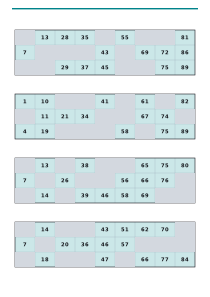
Independent 90-ball tickets with three rows, nine columns and 15 numbers each, plus a caller sheet for the 1–90 game.2–60 players20–60 minAges 6+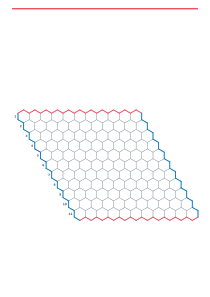 Board games to print
Hex
A rhombus of hexagons where each player joins their own pair of edges. A game of Hex can never end in a draw.2 players10–30 minAges 8+ Bingo & calling games
Lotería
Mexican lotería for your own names: print tablas of 16 with a numbered caller's deck, then play with beans.2–30 players15–45 minAges 4+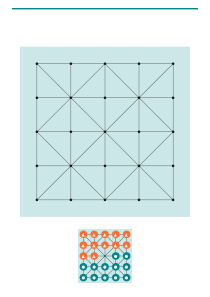 Board games to print